
Data Shows the Era of Reactive HIPAA Compliance Is Over
Annual HIPAA risk assessments remain essential, but modern healthcare environments are changing faster than traditional compliance cycles were designed to accommodate.




What really happens after a cybersecurity incident? Follow the first 72 hours of incident response – from confirming the breach and containing the threat to forensic investigation, recovery, and lessons learned.
Annual HIPAA risk assessments remain essential, but modern healthcare environments are changing faster than traditional compliance cycles were designed to accommodate.
Omega Systems ranked #49 on the 2026 Channel Futures MSP 501, earning its second consecutive top-50 finish and sixth straight appearance on the industry's premier global MSP ranking.

Modern EMRs rely on an expanding network of vendors, cloud providers, and integrations, making ongoing vendor oversight just as important as securing your own environment.

A new Omega Systems study of healthcare leaders found that 85% of practices experienced a third-party vendor disruption in the past year, highlighting growing concerns around supply chain visibility, cybersecurity resilience, compliance readiness, and AI governance.
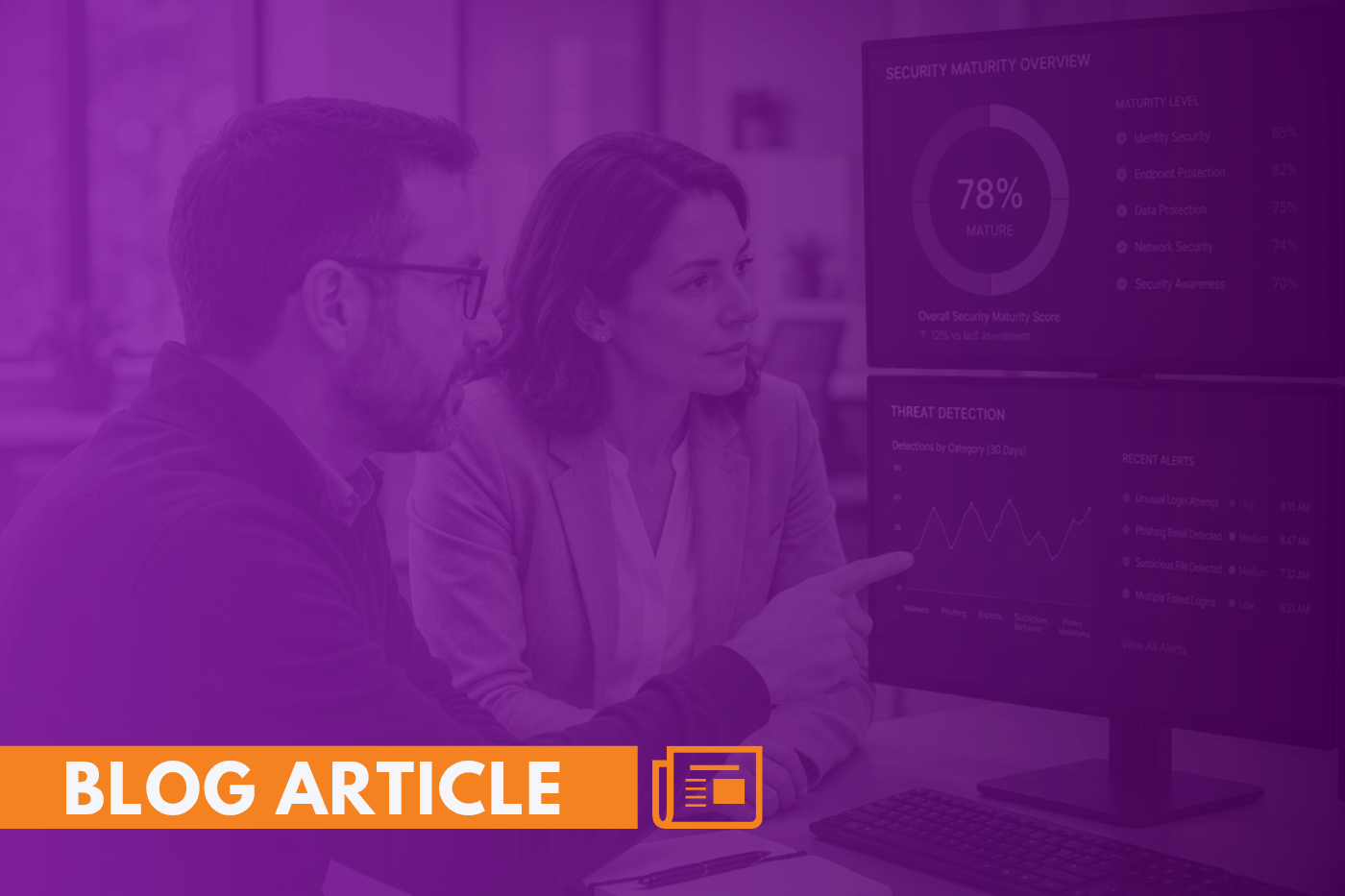
Explore what cybersecurity maturity means for healthcare, why it goes beyond compliance, and how it helps organizations protect patient data and maintain operational resilience.

Choosing the right healthcare MSP can improve cybersecurity, support HIPAA compliance, reduce operational burden, and keep clinical systems running smoothly. Here's what medical practices should look for when evaluating managed IT service providers.
Omega Systems earned a place on the 2026 CRN Solution Provider 500 list for the fifth straight year, highlighting its continued growth and expertise in delivering managed IT, cybersecurity, and compliance solutions to highly regulated healthcare and financial services organizations.
As AI-powered phishing attacks become more convincing and harder to detect, organizations must move beyond traditional security awareness training and adopt verification-focused strategies that reduce human risk and strengthen cyber resilience.
IT consolidation helps healthcare and financial services organizations reduce risk, improve visibility, strengthen cybersecurity, and support compliance by unifying fragmented IT systems into a centralized environment.